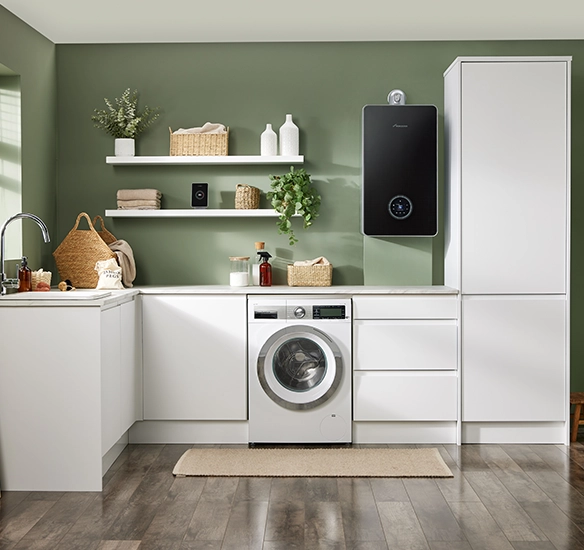


Your summer heating health check
As the temperatures soar outside, the heating is probably the last thing on your mind. However, it’s important to care for your home heating system all year round, to ensure it is in top shape ahead of winter.
Martyn Bridges, our Director of External Affairs, shares his expert tips on how to carry out a summer heating health check so that your heating system is ready for when you need it most.
1. Book a boiler service
In the summer, when the heating isn’t on and the boiler is only working to provide hot water, it’s the perfect time to get your boiler serviced. If you have a service contract with a provider you’ll probably notice that they schedule the annual service during the summer months. If you don’t have a service contract, you should be able to schedule a “casual call-out” with an engineer easily, as their work schedule is usually quieter in the summer.


2. Check your system pressure
There are also checks you can carry out yourself to make sure your heating system is in order. It’s important to make sure the sealed system pressure is at the right level, typically around 1 bar. Some manufacturers, including us, have automatic filling links, or you can top up the pressure using something called a filling link or loop. You can find out more information on how to repressurise your boiler using our handy guide.
3. Power up your thermostat
A quick fix to help your heating system power through the winter is to replace the batteries in your room thermostat. Most remote room thermostats have a low battery indicator when this is needed.
Also, if you don’t already have one, think of investing in a smart thermostat. A smart thermostat is connected to an app, turning your phone into a remote control allowing you to manage your home heating from anywhere. You can also control your heating zonally, ensuring you’re paying to only heat the rooms you need to.


4. Look out for leaks
Heating systems can lose pressure if there are something called ‘micro leaks’. They are very difficult to locate as they are normally so small that you don’t see any water stains.
However, if you look closely you may find slight discolouration, caused by tiny amounts of water seeping through a radiator valve or air vent and evaporating from the heat. If you see these marks, now is the time to call an engineer to get those repaired.
5. Time for an upgrade?
Perhaps your heating system is due for a revamp, and what better time to upgrade than the summer months? If you’re unsure which heating products are right for you, our Perfect Match tool can help. The online tool will match you with the perfect heating system for your home, to ensure that when the heating is on, it functions as efficiently and effectively as possible.