

Heat pumps are a lower carbon choice for heating, quickly becoming an attractive solution for heating UK homes. But how much do they cost?
Heat pumps explained
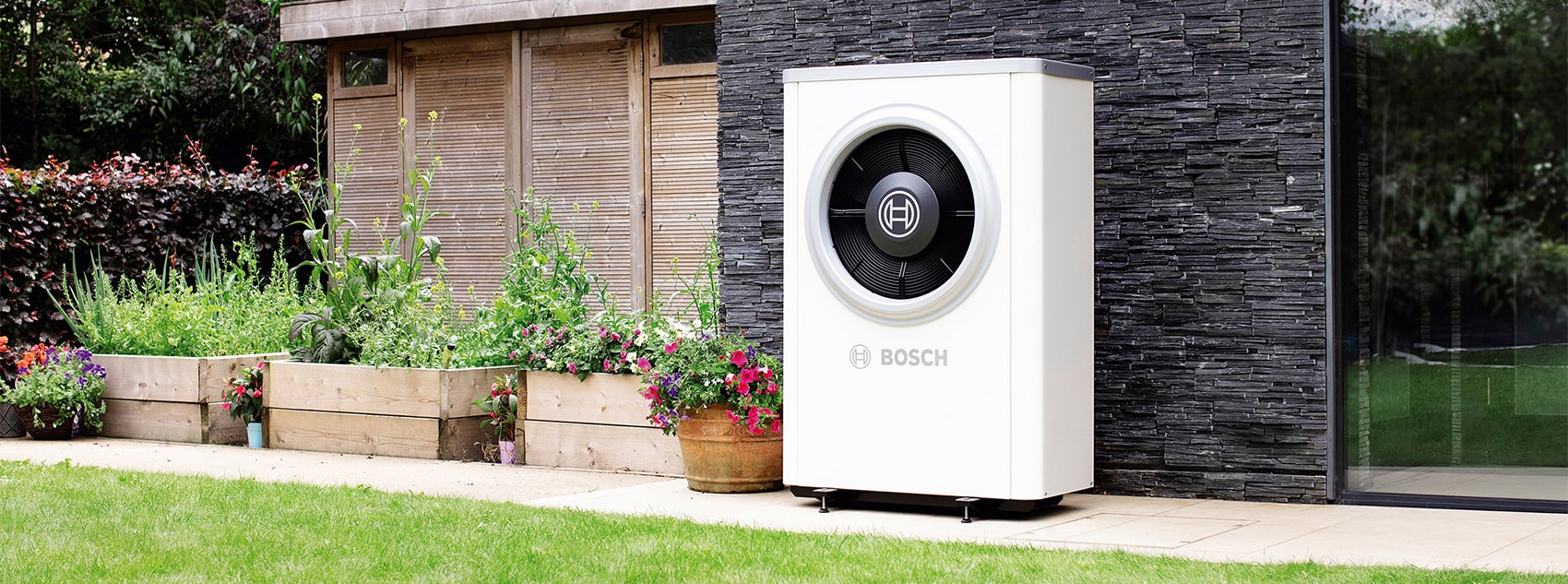
Firstly, let’s make sure we understand exactly what a heat pump is (and what it isn’t.) A heat pump doesn’t work like a boiler, at least not in the way it produces heat. Heat pumps collect latent, natural warmth from the outdoor air. Absorbing it and channelling it through a compression chamber, this temperature is boosted before being released to heat your water, radiator, or underfloor heating systems. The compression process uses minimal electricity, meaning no fuel is burned in your home and energy costs are kept low, and delivers up to 300% heating efficiency. (Compared to boilers, this is often more than 3x as efficient. For every unit of electricity used to heat the air, you’ll get up to 3x the amount of heat.)
How much does a heat pump cost?
Remember, heat pumps have been purpose-built to deliver long-term savings, not short-term.
- Air source heat pumps will cost between £5,000 and £15,000 to install, depending on the suitability of your home and what extra work needs doing to get it set up to work at maximum efficiency.
- Ground source heat pumps will cost between £15,000 and £30,000 to install, with most of the difference coming in how you choose to install the pipes.

The higher cost of the ground source solution makes it a long-term investment, because it can be used to high efficiency and stable temperatures all year round – which means you won’t need to use extra energy in the winter to boost your home’s temperature.
But with both technologies, you’ll still get 3x the amount of heat compared to the electricity you’ll consume. Those savings will be noticeable in your energy bills from installation day and once those savings have racked up enough to offset the initial cost of the heat pump, it becomes a really cheap source of heat. (Plus, you can’t put a price on feeling good about your home’s carbon footprint.)
Heat pump installation cost
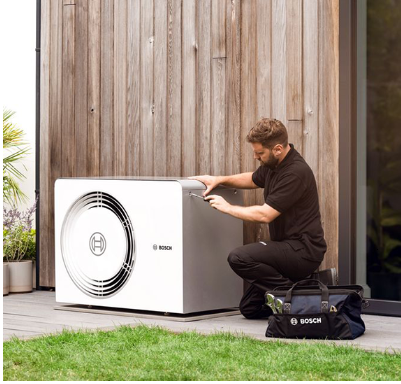
Installation is going to make up the biggest part of your heat pump cost, but there’s plenty of help at hand from the government.
As well as 0% VAT on all installations, homeowners in England and Wales can also use the Boiler Upgrade Scheme to apply for up to £7,500 in grants towards your costs. If you’re in Scotland, it can be up to £9,000. Many electricity suppliers are also offering specific tariffs which are designed to minimise the cost of running your heat pump.
Will a heat pump work in my home?
Heat pumps work best in homes that are energy efficient and well-insulated. That means that most new build homes are already perfectly set up to benefit from a heat pump.
For period homes or renovation projects, you might need to check the double glazing, loft and wall insulation, and whether your radiators are big enough. Air source heat pumps are almost always exempt from planning permission too, so it’s an easy installation.
Consider a hybrid system
If you want more control over your heating, but you still want to lower your carbon footprint, we recommend looking at hybrid heating systems. By combining a heat pump with a boiler, you’ll get all the efficiency and environmental benefits of a heat pump for most of the year – but when it’s cold or you need an immediate boost, your boiler can pick up the slack.
Helping you get the most out of your heat pump
Leave your heat pump on permanently
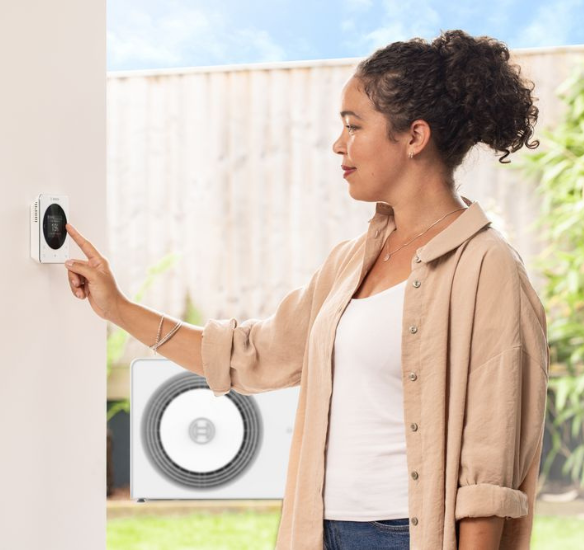
Heat pumps perform best by maintaining a consistent temperature in your home. If you switch them off, or turn them down too much, it can take a long time to get back up to temperature (this will also reduce that 300% efficiency rate.) This doesn’t mean you’ll rack up unnecessary energy bills or be pumping unnecessary heat into your home, it just means getting used to turning your heating down slightly rather than off.
Plan ahead for temperature changes
The same goes for adjusting temperature as the seasons change. Keep an eye on what the weather’s doing and try to stay ahead of the kind of temperature you’ll need in your home. Turn the temperature up, or down, by a degree or two – rather than spinning the dial to the max. like you might do for a boiler.
Find out more about heat pumps
To find out more about heat pumps, including the way they work, the costs involved and the process for getting one installed in your home, visit our Heat Pumps page.