

Heat pumps are becoming a leading choice for heating and hot water in the UK. Deciding between a ground source heat pump (GSHP) and an air source heat pump (ASHP) depends on your property, budget and long term plans. This guide explains how each system works, how they perform across the seasons, and what to weigh up on costs, space, installation and environmental impact so you can choose with confidence.
How Ground and Air Source Heat Pumps Work
Both technologies move heat rather than create it. Using a refrigeration cycle, the heat pump system captures low‑grade heat from the ground or the air, compresses it to a higher temperature, and supplies it to radiators, underfloor heating or a hot water cylinder. Because they transfer more energy than they consume, they can deliver several units of heat for every unit of electricity used. When assessing air source vs ground source heat pump technology, the core principle is the same, but the heat source differs.
Ground source heat pumps
GSHPs collect heat via buried pipework filled with a heat transfer fluid. A few metres below the surface, ground temperatures remain comparatively steady through the year, providing a consistent source of heat. In a GSHP, heat is absorbed by either horizontal loops laid in trenches or vertical boreholes drilled to depth, then transferred to an indoor unit.
Air source heat pumps
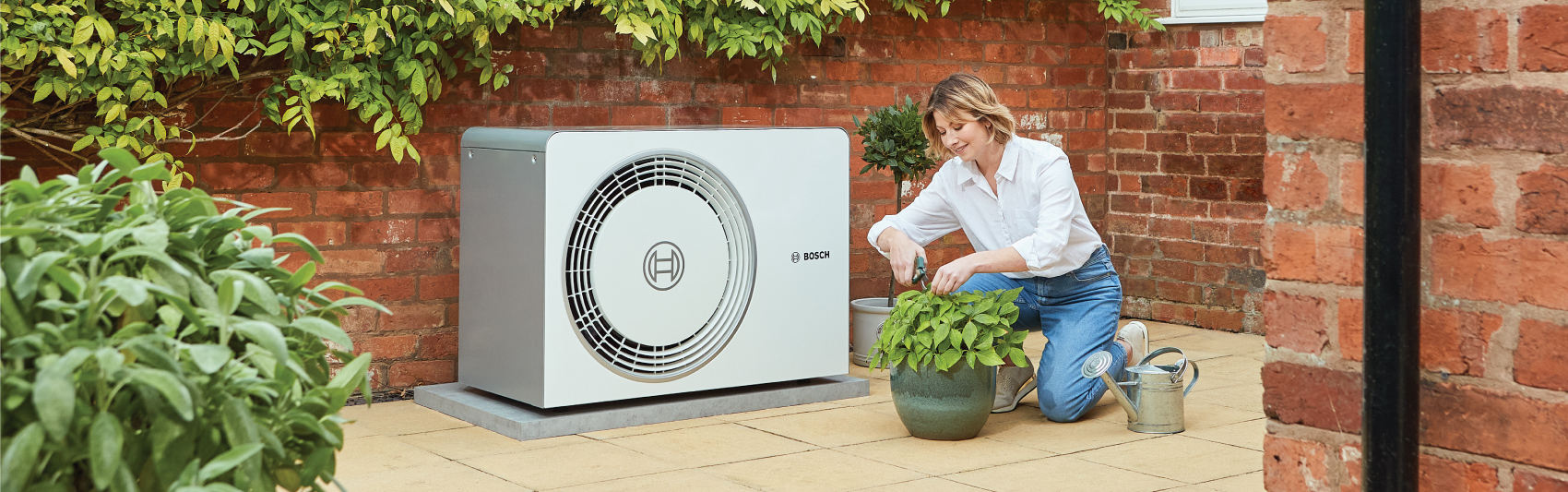
ASHPs draw heat from the outside air through an outdoor unit with a fan and heat exchanger. Modern ASHPs operate efficiently even below freezing, though their performance reflects the changing weather more than ground systems. In an ASHP, the outdoor unit captures heat from the air, and the indoor unit feeds it into the heating circuit.
Efficiency and Performance
Efficiency is typically shown as a seasonal coefficient of performance (SCOP) over a year. A higher SCOP means less electricity is required for the same heat output. Thanks to stable ground temperatures, GSHPs often achieve higher SCOPs, particularly during colder periods. This can lower running costs and reduce grid electricity use for the same level of comfort, which is a central factor in any air source vs ground source heat pump comparison.
ASHP efficiency varies more with outdoor conditions. Even so, modern ASHPs with inverter‑driven compressors and advanced controls perform strongly in typical UK climates and can be highly efficient in well‑insulated properties.
Ultimately, when asking are ground source heat pumps better than air source heat pumps, the right design and commissioning matter as much as the technology.
Heat pump installation costs
Ground source heat pumps
GSHPs require ground works for trenches or specialist drilling for boreholes, which adds labour and equipment costs. Overall, GSHPs are usually more expensive to install than ASHPs, a key point in the air source vs ground source heat pump decision.
Air source heat pumps
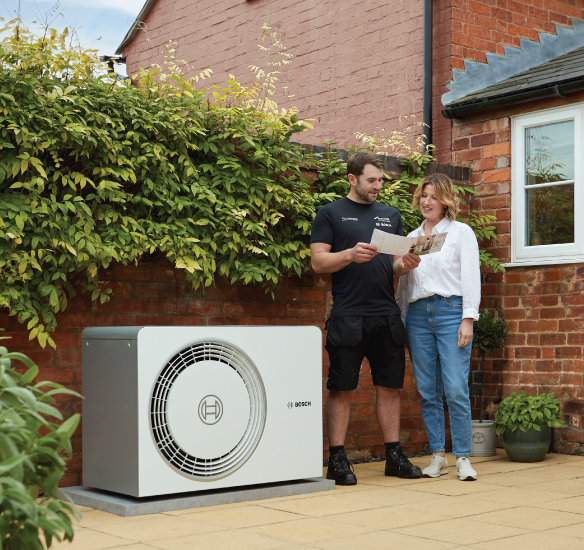
ASHPs are simpler to fit in most homes. They generally involve mounting an outdoor unit, routing pipework and wiring, and installing indoor components such as a cylinder. This tends to reduce installation time and cost compared with a GSHP.
Heat pump running costs
Running costs depend on efficiency, electricity tariffs and how the system is operated. A GSHP’s typically higher seasonal efficiency often means lower electricity consumption than an equivalent ASHP. However, an ASHP paired with low‑temperature emitters, weather‑compensated controls and time‑of‑use tariffs can be very cost‑effective. Routine maintenance for both technologies should also be considered.
Return on investment reflects the balance between upfront spending, ongoing savings and any grants. If you have suitable land or can drill boreholes, plan to stay long‑term and want the strongest seasonal efficiency, a GSHP may pay back over time. If outdoor space is tight or keeping initial costs lower matters most, an ASHP often offers a faster, more accessible route to lower-carbon heating.
Air source heat pump grants
Support schemes can improve affordability. An air source heat pump grant may reduce the upfront costs for eligible homes.
Heat pump funding
If you're looking at getting a heat pump installed, there are government schemes available to make it more affordable.
Space and Installation Requirements
Available space is often the deciding factor. GSHPs with horizontal loops require substantial outdoor area for trenches. Vertical boreholes dramatically reduce surface area but need space for a drilling rig, vehicle access, and clearances from boundaries and underground services. The heat pump unit is typically sited indoors alongside a hot water cylinder.
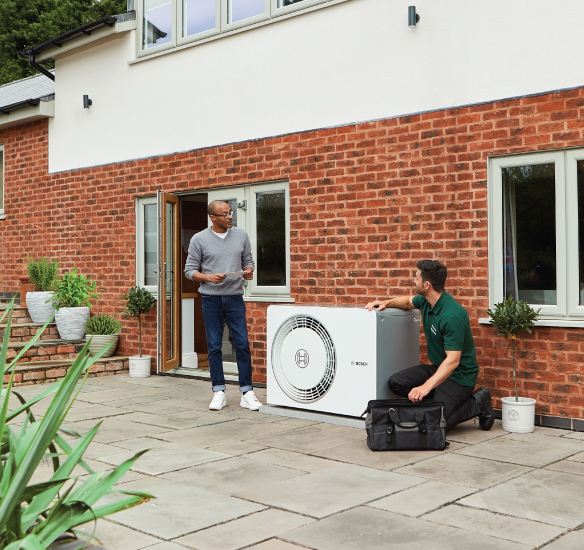
ASHPs need far less ground. The outdoor unit is mounted on a suitable wall with clear airflow and appropriate distances from boundaries and openings. Indoors, you will require space for a cylinder if hot water storage is included in the system design. Installation is usually less complex than a GSHP, which makes ASHPs well suited to retrofits where garden space is limited or disruption needs to be kept to a minimum.
Planning rules vary. In the UK, many ASHPs fall under permitted development if they meet noise and siting limits; listed buildings, flats and conservation areas may require planning consent. GSHPs can also be permitted development, but ground works may demand extra checks, particularly for boreholes, including utilities searches and sometimes environmental safeguards relating to groundwater. Always check local planning guidance and use accredited installers who understand MCS standards and Building Regulations.

Which Heat Pump Is Right for Your Home?
A professional assessment will review insulation levels, emitter sizing, electrical capacity, cylinder location, and the placement of an outdoor unit or ground array. Our network of Installers can advise on planning, available grants and integrations such as weather compensation, smart controls, solar PV and battery storage to maximise value. Find out if your home is right for a heat pump by using our simple checker.